


How Should Aviator Sunglasses Fit
Aviator sunglasses have earned their place as one of the most popular eyewear styles ever made, and they remain a timeless classic. With their bold style, aviator shades are certainly well known, but how should aviator sunglasses fit?
Their distinctive teardrop-shaped lenses and lightweight frames have remained in fashion for decades. They appeal to everyone from pilots and outdoor enthusiasts to people who simply appreciate a classic look and want a fashion item.
But style is only part of it. Even the best-looking pair of aviators won’t feel right if they don’t fit properly. Sunglasses that slide down your nose, pinch behind your ears, or sit awkwardly on your face can quickly become frustrating to wear. You want your sunglasses to sit comfortably, give you full coverage, and even be suitable for outdoor activities.
Finding the best aviator sunglasses for you shouldn’t be complicated. This guide explains how aviator sunglasses should fit, how to measure them correctly, and what adjustments you can make to improve comfort and stability.
Quick Overview Of Aviator Sunglasses Fit
A properly fitting pair of aviator sunglasses should feel secure without feeling too tight. They should stay comfortably in place as you walk, drive, do outdoor activities, or move throughout your day. They should also provide you with enough coverage to protect your eyes from sunlight.
Getting the fit right matters for more than just comfort. Poorly fitting sunglasses often lead to you having to make constant adjustments, pressure marks on your nose, and irritation around your temples or ears. They may also leave gaps that allow sunlight to enter from the sides, reducing the protection your lenses provide.
The whole idea is to find a pair of aviators that sit naturally on your face, offer full eye coverage, and remain comfortable no matter how long you wear them.
Key Fit Areas For Aviator Glasses
Several parts of an aviator frame work together to determine how comfortable and secure it feels. Paying attention to these details can help you avoid many of the common problems people experience when buying sunglasses.
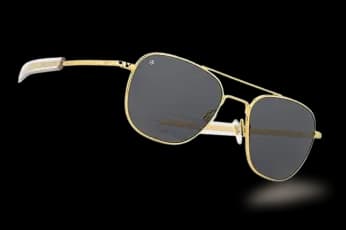
The bridge is one of the most important areas to consider. The nose bridge is the part of the frame that rests on your nose. If the bridge is too wide, the sunglasses may slide down throughout the day. If it’s too narrow, it may have a bit of pressure and leave noticeable marks. A properly fitted bridge should sit nicely and comfortably and not pinch or slide.
Many aviator sunglasses feature adjustable nose pads, which can make a significant difference to overall comfort. When positioned correctly, nose pads help the frame to sit comfortably by distributing the frame’s weight evenly across your nose. They also reduce pressure points and can help prevent slipping, particularly during warm weather or when you are doing activities.
The temple arm is just as important. These are the sections that extend from the hinges and rest over your ears. They should follow the natural curve of your head without squeezing. Temple arms that are too tight can cause soreness around your temples, while loose arms may allow the sunglasses to move around too much.
Lens coverage is something else that you shouldn’t overlook. Aviators are designed to provide generous coverage around the eyes. You should really have the top of the frame slightly below your eyebrow line while still covering your eye area. This helps maximize protection from sunlight while maintaining a balanced appearance.
How Aviators Sit On Your Face
Even when the measurements seem right, it’s important to pay attention to how aviator sunglasses are supposed to sit when you’re wearing them.
The top of the frame should generally cover your eyebrows for a proper fit. Frames that sit too high can appear oversized, while frames that sit too low may leave gaps that affect both comfort and protection.
One simple fit test involves blinking naturally while wearing the sunglasses. Your eyelashes shouldn’t touch the inside of the lenses.
If they do, the frame is likely sitting too close to your face. This can become surprisingly irritating over time and may also leave smudges on the lenses. If you find that they do, then chances are the frame is sitting too close to your face. This can become surprisingly irritating over time and may even leave smudges on the lenses.
Measuring Aviator Frames For Sunglasses Fit
Understanding frame measurements can save a lot of guesswork, especially when shopping online.
The first measurement you’ll usually see is lens width, which refers to the horizontal width of one lens. This measurement influences both the appearance of the sunglasses and the amount of coverage they provide. Larger lens widths often suit broader faces, while smaller widths can be a better match for narrower features.
Bridge width measures the distance between the two lenses where the frame rests on your nose. This measurement has a big impact on the stability and comfort when you are wearing them. A bridge that’s too wide may allow the frame to slip, while one that’s too narrow can feel restrictive.
Temple arm length is another measurement that you should be considering. This is the distance from the hinge to the tip of the arm that sits behind your ear. Proper temple length helps ensure the sunglasses remain secure without creating unnecessary pressure.
If you’re unsure where to start, compare the measurements of a pair of sunglasses you already own and enjoy wearing. Most frames have their measurement printed on the inside of one temple arm. Using these numbers as a reference can make finding the right aviator size much easier.
Aviator Sunglasses Fit By Face Shape
While personal preference is always going to be important, your face shape can provide useful guidance when choosing aviator sunglasses.
People with round face shapes often benefit from slightly wider frames. The added width can create more definition and balance softer facial features without looking oversized.
Oval face shapes tend to be the most versatile when it comes to eyewear. Classic aviator proportions usually work particularly well because they complement the naturally balanced shape of the face.
For square face shapes, aviators with softer curves and rounded edges often create a pleasing contrast. The curved lens shape can help balance stronger jawlines and angular facial features.
Heart-shaped faces are generally wider at the forehead and narrower at the chin. Aviators with a slightly narrower top line can help create a more balanced appearance.
Diamond face shapes typically feature prominent cheekbones and narrower forehead and jawline proportions. Moderate-sized aviator frames usually work best for these people because they maintain balance without overwhelming facial features.
People with triangle face shapes often have a wider jawline and a narrower upper face. These people are much better off having a lightweight frame with moderate proportions to help create a more comfortable and balanced fit.
For most face shapes, guidelines can be helpful, but they shouldn’t replace trying on different styles. Comfort and proper fit should always take priority over strict styling rules.
Adjusting Aviator Frames for a Comfortable Fit
Even if you’ve chosen the right size, small adjustments can often improve comfort significantly.
Adjustable nose pads are usually the easiest place to start. Moving them slightly inward can help improve grip and reduce slipping. Moving them outward may relieve pressure if the frame feels too tight across the bridge of your nose. Small changes often make a noticeable difference.
Temple arms can also be easily adjusted to improve how the sunglasses sit behind your ears. A gentle adjustment to the curve may help reduce pressure or improve stability. Go nice and slow when making adjustments, and make sure you never force the frame.
If you’re unsure about making adjustments yourself, visiting an optician is often the safest option. Professional adjustments are usually quick and can help improve comfort without risking damage to the frame.
Common Fit Issues And Simple Fixes
Most aviator fit problems have straightforward solutions once you identify what’s causing them.
One of the most common complaints is sunglasses that constantly slide down the nose. In many cases, this can be improved by adjusting the nose pads to create a more secure fit; this also helps with comfort during prolonged exposure to the sun. Choosing a bridge size that better matches your facial structure can also help.
Pressure around the temples is another frequent issue. This often happens when the temple arms fit too tightly. Slightly loosening the curve of the arms may relieve discomfort and make the sunglasses more comfortable to wear.
If your eyelashes touch the lenses when blinking, the frame may be sitting too close to your face. Adjusting the nose pads or increasing the distance between the frame and your eyes can usually solve the problem.
Cheek rubbing is another issue that often appears during smiling. If the bottom of the frame touches your cheeks, a larger frame size may provide better clearance and a more comfortable fit.
Shop Margot Frames
Try-On And Shopping Tips To Find The Perfect Fit
Whether you’re shopping in-store or online, taking a little extra time can help you find a pair that fits properly. Aviators are a popular choice for both men and women because they’re a unisex style available in different sizes and proportions.
Virtual try-on tools have become increasingly common and can provide a useful preview of how different frame sizes and shapes may look on your face. Major retailers often let you shop. While they’re not a perfect substitute for trying sunglasses on in person, they can help narrow your options.
When testing a pair of aviators, move your head naturally. Look down, turn from side to side, and bend forward slightly. The sunglasses should remain stable without needing constant adjustment.
It’s also worth wearing the sunglasses for several minutes before making a decision. Some fit issues only become noticeable after a short period of wear, particularly pressure around the temples or nose.
Finally, make sure you don’t focus solely on appearance. Always choose lenses that block 100% of UVA and UVB rays and help to reduce glare. A stylish frame is important, but effective UV protection is one of the main reasons you’re wearing sunglasses in the first place, and some pairs also offer extras like blue light filtering.
Quick Perfect Fit Checklist For Aviator Sunglasses
Before buying a pair of aviators, run through this quick checklist:
- The frame sits at or just below the eyebrow line
- Eyelashes do not touch the lenses
- Temple arms follow the natural curve of the ears without pinching
- No pressure marks appear on the nose after wearing them
- Sunglasses remain stable when you move your head
- Cheeks do not push against the frame when smiling
- Lenses fully cover the eye socket area for maximum protection
- The frame feels secure without feeling tight
Conclusion
The right pair of aviator sunglasses should feel comfortable from the moment you put them on, with enough precision in the fit to stay secure. They should stay securely in place, provide full eye coverage, and feel balanced across your nose and ears without creating pressure points.
By making sure you are paying attention to fit, measurements, and frame adjustments, you can avoid many of the common issues that make sunglasses uncomfortable to wear.
Whether you’re shopping online or trying frames on in person, taking the time to find the right fit will help ensure your aviators look good, feel comfortable, and provide reliable protection whenever you wear them, so you can feel confident rocking them.
10% off your first purchase
Join our email list to be first to hear about new arrivals, limited-edition drops, sales, and more! *Offer excludes new and limited edition items.