


Practical Service Accessories That Have Become Fashion Staples
They say that necessity is the mother of all invention. Sometimes, necessity is also the mother of fashion.
Every once in a while, an item designed strictly for utilitarian purposes crosses over into the style lexicon. Diver watches, aviator sunglasses, pocket squares, and more all started as practical tools. Today, they’re fashion staples, and their practical past serves as an important chapter in the history of fashion accessories.
Here are six common fashion accessories that started with function.
Aviator Sunglasses
As aviation evolved in the early 1900s, so did the tools pilots needed to fly. Early pilots wore thick goggles to protect their eyes from wind and debris, but the uncomfortable goggles did little to reduce glare or eye strain.
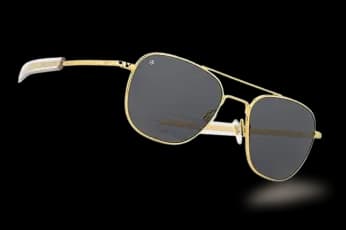
The history of aviator sunglasses begins in 1935, when the Army commissioned American Optical to develop a better option. The D-1 aviator sunglasses featured teardrop-shaped lenses and a slim, metal frame that fit comfortably under helmets without fogging at high altitudes. Green-tinted lenses helped shield pilots’ eyes from harsh sunlight, reducing eye strain, headaches, and nausea.
By World War II, aviator sunglasses had become standard military gear. They appeared in photographs of pilots, soldiers, and officers, including General Douglas MacArthur.
Those images of the war—and its heroes—helped to spark civilian interest, but aviators took on a new cultural identity when Marlon Brando wore a pair in the 1953 film The Wild One. Suddenly, the practical glasses became synonymous with confidence, rebellion, and an undeniable cool factor.
From military cockpits to modern city streets, aviators remain one of fashion’s clearest examples of practical tools crossing over into style. With faithful recreations of original military styles and fresh contemporary interpretations of the classic silhouette, American Optical continues that legacy as function meets fashion. The Original Pilot, originally named the FG-58, is the frame that traveled to the moon with the Apollo 11 astronauts. For a modern, square profile, there’s Geoffrey, while Margot offers softer, sloping lines. Flynn was inspired by vintage driving goggles, while Racer offers the classic aviator silhouette in lightweight acetate.
Diver Watches
It could be argued that the wristwatch itself is a practical accessory turned fashionable accessory, especially now that modern technology has put the time on our phones and computers. However, few timepieces better represent the transition from utility to style than the diver watch.
Before waterproof watches, watch wearers commonly removed their timepieces before going in the water or even washing their hands. Even the smallest bit of moisture could ruin the gears, and so watch backs were sometimes coated in beeswax to protect against water and corrosion.
According to the history of diver watches, historic watchmaker Rolex introduced the Oyster, the first commercially successful waterproof wristwatch, in the 1920s. Featuring a sealed case that kept the inner workings safe from moisture, the company marketed the revolutionary watch with images of it submerged in a fishbowl.
As underwater military operations and recreational diving expanded in the 1940s and 1950s, underwater enthusiasts needed a device that could withstand increased pressure while helping them to track dive time. Watch technology evolved to meet those needs, and purpose-driven diver watches emerged in the 1950s. The new watches offered water resistance at greater depths, illuminated hands visible in dark waters, and a rotating outer ring that allowed a diver to better track the time they entered the water.
Larger than traditional watches and associated with adventure, diver watches quickly gained a reputation for strength and durability, appearing on wrists both in and out of the water.
Chain Wallets
Now a staple of alternative fashion, the history of chain wallets suggests that the items had more practical beginnings. They first appeared in the 1950s as a practical way to keep valuables secure. Motorcycles were growing in popularity, and riders needed to keep their money safe. By attaching a wallet to a belt loop with a chain, bikers ensured that their wallets wouldn’t be dropped—or stolen—on the road.
By the 1970s, the once-practical chains had drawn the attention of emerging subcultures. Punk rock and heavy metal enthusiasts embraced the aesthetic, and what began as a simple security measure soon evolved into a style statement. Some chains became more elaborate, adorned with studs, pendants, or oversized links.
That countercultural appeal continued through the 1990s and early 2000s. Often portrayed as edgy and rebellious, chain wallets became popular with skaters, grunge fans, and streetwear enthusiasts.
These days, the chain wallet is often chosen more for style than practicality, but it hasn’t entirely lost its function. Chain wallets remain popular with motorcycle riders, decades after they were first designed for that purpose. They also continue to cycle through mainstream fashion trends, with Y2K vintage fashion revivals and streetwear trends driving their resurgence.
Messenger Bags
The messenger bag has been around for so long that it’s difficult to pinpoint its exact origins. Some sources indicate that early versions could be found slung across the shoulders of Pony Express riders in the 1860s. Others say the bag debuted in World War I, designed for dispatch riders to carry and access important documents with ease.
Both point to the origins of the bag’s name, but its now-iconic design comes from another type of cargo. In the 1950s, De Martini Globe Canvas Company constructed a simple, durable, and water-resistant crossbody bag to hold a telephone lineman’s tools.
Featuring a single long strap, rectangular shape, and protective flap, the bag offered an ideal blend of accessibility and durability. The simple design kept a worker’s tools secure and within reach, even while suspended in the air. It was quickly adopted by bike messengers and mail carriers, realigning with the messenger bag’s communication routes.
By the late 1990s, the bag’s practical, easy-going appeal had caught the attention of modern business professionals looking for something less rigid than a briefcase. Students similarly saw its value, using messenger bags to carry books, papers and, eventually, laptops.
Today, messenger bags are available in countless materials, colors, and styles. They offer the same functionality as ever, just with a fashionable twist.
Trench Coats
Trench coats got their name from the trenches of World War I. Made of water-repellent fabric, the lighter-weight outerwear protected officers from harsh weather during long days and nights on the battlefield.
The original trench coats were exclusive to British military officers. Introduced as an optional alternative to heavy wool military coats, the coats featured shoulder straps to accommodate epaulets and other rank insignia, D-rings to attach map cases and equipment, and adjustable wrist straps to prevent water from entering the sleeve when the hands are raised.
With a double-breasted front and wide lapels, the coat was as commanding as it was practical. Many officers continued to wear their trench coats after the war ended, and designers took note. The smart structure of trench coats began to appear on film. Humphrey Bogart wore one in Casablanca and Peter Sellers wore one in The Pink Panther, firmly establishing them in civilian fashion.
What began in the trenches also made its way to the runway, with new coat colors and styles becoming available for both men and women. The coat’s clean lines perfectly complement structured apparel like suits and other businesswear, making it a now-timeless choice for everyday use.
Pocket Squares
Before the invention of disposable tissues, men and women wiped their brows and noses with simple cloths. Often made from linen or other natural fibers, these cloths served a practical purpose—but that didn’t stop some cultures from adding a touch of personal style. Dyed cloths dating back to ancient Egypt suggest that color and aesthetics have always mattered, even when functionality was prioritized.
Over time, those simple fabric squares evolved into handkerchiefs, especially among the wealthy. Silk, lace, and other luxurious materials became increasingly common. Held to the mouth and often perfumed, handkerchiefs protected against unpleasant odors and disease. They even held a language of their own. In ancient Rome, the dropping of a handkerchief signaled the start of the gladiatorial games, while the Victorians communicated love and attraction simply by how they held one.
As men’s fashion moved toward tailored suits in the early 1900s, brightly colored handkerchiefs moved from the pants pockets to suit jackets, where they added visible personality to formalwear.
Once disposable tissues and modern hygiene replaced their original function, handkerchiefs were promoted to fashion-only status and renamed pocket squares. Today’s pocket squares exist not to wipe faces, but to express style.
Find our complete collection of function-meets-fashion aviator sunglasses online. Our care team is also available to provide personalized recommendations and help you choose the right pair.
Explore Our Complete Aviator Collection →
10% off your first purchase
Join our email list to be first to hear about new arrivals, limited-edition drops, sales, and more! *Offer excludes new and limited edition items.