


Why Are Aviator Sunglasses Still Popular Today?
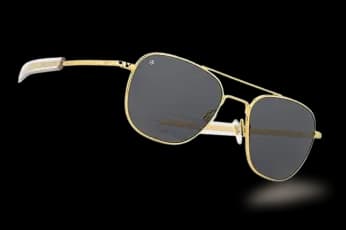
Few accessories throughout history have transitioned between function and fashion as seamlessly as aviator sunglasses. Instantly recognizable by their teardrop shape and slender metal frames, aviators were created for performance at high altitude. Over the last century, however, they’ve evolved into an enduring symbol of effortless style and one of the most popular sunglass frame styles available.
So what prompted the rise of aviator sunglasses from military function to mainstream fashion? And why are aviator sunglasses popular even now, nearly a century later?
To understand how aviators gained timeless style status in the American eye, it’s essential to look beyond the trends and into the history of the design itself.
Aviator Sunglasses History from Cockpit Innovation to Iconic Design

In the early days of aviation, pilots relied on thick goggles to protect their eyes from wind, debris, and cold. Goggles were essential in an open cockpit, but as aircraft design evolved, so did pilot eyewear.
In the 1930s, closed cockpits reduced the need for protective goggles that sealed around the eyes. However, bright sunlight and glare remained a problem. Eyewear manufacturers began to develop lightweight frames to protect pilots from the sun’s rays without the restrictive fit or fogging common with goggles.
American Optical created the first sunglasses for pilots with the release of the D-1 aviator glasses in 1935. Developed in partnership with the U.S. military, the frames were carefully engineered for function and comfort. The glasses featured a lightweight frame that fit easily beneath a helmet and oxygen mask. Green lenses were thoughtfully engineered to reduce eye strain, improve contrast, and protect pilots’ eyes from the bright sun. The distinctive teardrop lens shape mimicked the shape of traditional flight goggles and offered maximum protection, establishing the now-timeless silhouette.
Other manufacturers quickly followed suit, releasing their own versions of aviators. Over time, the original designs were refined and streamlined, but the distinctive teardrop shape remained.
When the United States entered World War II in 1941, upgraded aviator-style sunglasses became standard issue for military pilots. Photographs of soldiers wearing the sleek frames appeared in the newspapers back home, and General Douglas MacArthur became an unexpected style icon for his choice of frames.
A Post-War Symbol of Modern American Style

After World War II, soldiers returned home as heroes, and brought their military style with them. Fueled by patriotism and ready access to surplus military gear, civilian fashion of the era reflected elements of war-time practicality. Aviator sunglasses joined trench coats and bomber jackets, all named for their respective military use, became staples of everyday American style.
In civilian advertising, aviators were positioned as patriotic. They soon began to appear on faces around the country, becoming a favorite of Hollywood stars and other notable figures.
In the 1960s, American Optical’s FG-58 aviators traveled to the moon with the astronauts of Apollo 11. Peter Fonda wore aviators in the film Easy Rider, and Robert DeNiro wore a squared-off version in the film Taxi Driver. Once aligned almost exclusively with a masculine fashion, aviators were also seen on feminist leader Gloria Steinem, Blondie frontwoman Debbie Harry, and the wife of Mick Jagger, Bianca Jagger.
Aviator glasses soon came to be a symbol of individuality and rebellion, finding a place in the style choices of every generation.
Today, aviator sunglasses remain popular among Hollywood elite. On screen and off, aviators have been spotted on celebs like Zac Efron, Johnny Depp, Glen Powell, Robert Downey Jr., Victoria Beckham, Jennifer Aniston, and Priyanka Chopra Jonas. Their ongoing love for aviators has helped keep the style consistently in fashion, ensuring the style’s longevity.
The Enduring Popularity of Classic Aviator Sunglasses Explained

So why are aviator sunglasses popular even today?
The enduring appeal of classic aviator sunglasses is deeply rooted in the style’s design, with unmatched functionality and understated looks that transcend temporary trends. Aviators can be fashionably worn by both men and women. More importantly, their unique shape looks good on nearly everyone, giving them universal appeal.
Contrast is key when choosing a flattering pair of sunglasses. Round faces benefit from strong frames that add structure. Angular features and square shaped faces are softened by the gentle curves of round and oval frames.
With their iconic straight-across top and soft teardrop slope, aviators offer the best of both worlds, adding both softness and structure in turn. Oblong or rectangular faces should consider exaggerated curves in the teardrop shape, while round faces will benefit from the added angles of a squared-off aviator frame.
Fashion aside, the practical origins of aviator sunglasses also makes them an excellent choice for outdoor enthusiasts. The slim design that allowed aviators to fit under pilots’ helmets also suits with other protective headgear, like bicycle and motorcycle helmets, while the full-coverage teardrop design offers maximum sun protection.
Military Aviator Sunglasses Meet Modern Reinvention

While the iconic shape of aviators remains largely unchanged, modern aviators have evolved through subtle reinterpretation of the original design. Variations in materials, frame construction, lens color, and scale allow the classic frame to adapt to contemporary tastes. Advances in lens technology have also improved clarity and protection without compromising aesthetic integrity.
These ongoing refinements to keep aviators current without losing the qualities that made them noteworthy in the first place.
American Optical’s Aviator Legacy

Classic aviator sunglasses remain popular for their universal appeal, but also because they were never just about fashion. Conceived as tools, refined as cultural symbols, and preserved through thoughtful evolution, aviators evoke a sense of freedom, exploration, and confidence. Those qualities that remain as compelling today as they were in the 1930s.
From the D-1 aviators of 1935 to the modern shades of today, American Optical’s aviator sunglasses collection draws on aviator sunglasses history and a legacy of craftsmanship and innovation. Our modern and retro-revival styles are still crafted to military standards and everyday durability, making them the perfect companion from the sand to the skies.
The Original Pilot, originally called the FG-58, still offers the same durability and precision as the pair that traveled to the moon. Geoffrey is modernized with a bold, square profile, while Margot offers a softer, feminine take on traditional aviator style. For those who thrive at high speeds, Flynn is inspired by driving goggles, while Racer offers a sleek, lightweight acetate frame ideal for life on the move.
For help choosing the right aviator sunglasses for you, don’t hesitate to reach out to our care team for personalized recommendations.
Explore Our Complete Aviator Collection →
10% off your first purchase
Join our email list to be first to hear about new arrivals, limited-edition drops, sales, and more! *Offer excludes new and limited edition items.