


Original Pilot Blood Moon
The second limited edition in AO’s lunar series
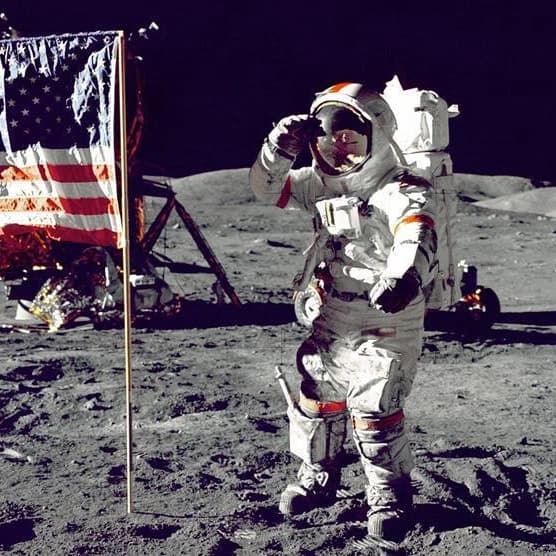
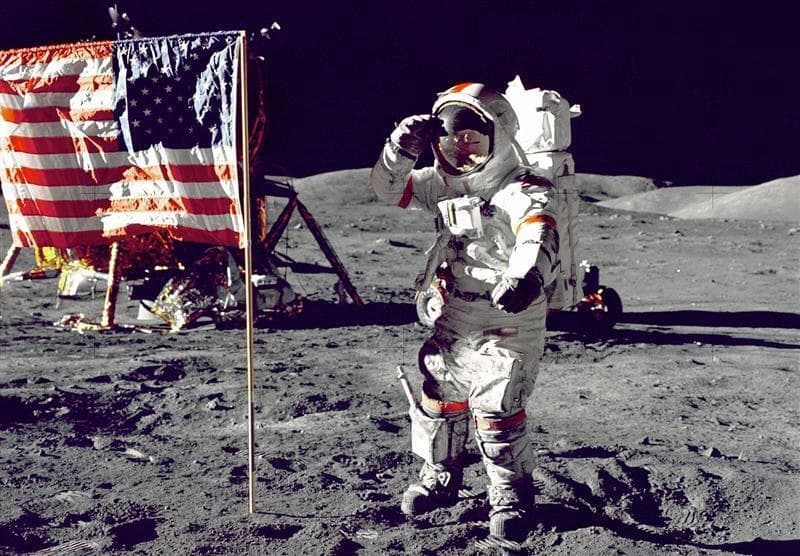
In 1969, man landed on the moon. It took exceptional gear to get there, including the Original Pilot. This limited edition pair honors that history.
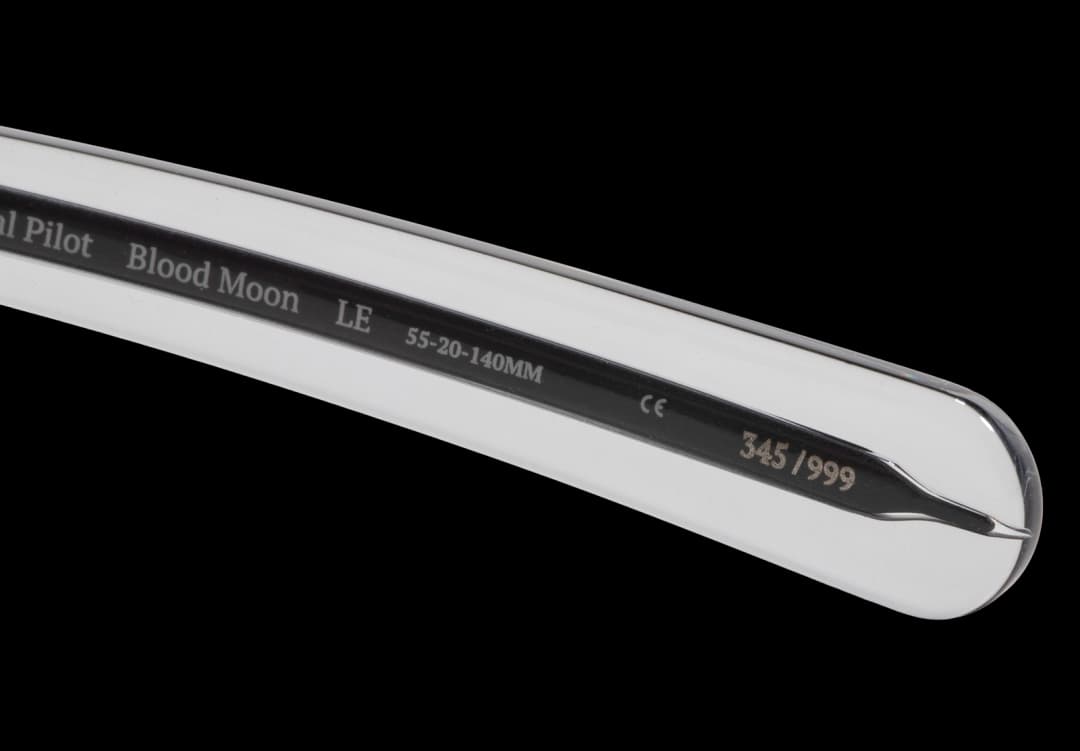


Designed to Break Barriers
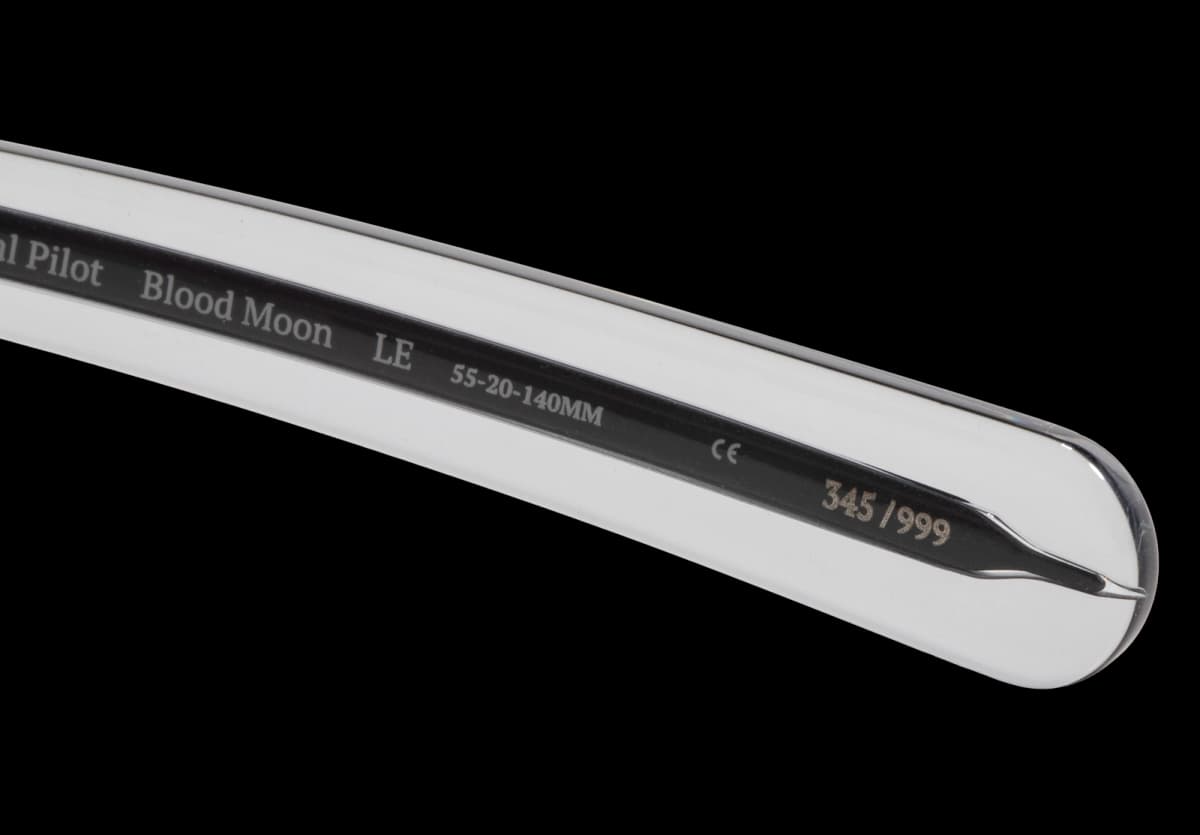
Bayonet temples are serialized for authenticity and were designed to eliminate helmet, hat, and headset interference.

AOLite™ SunVogue nylon lenses echo the moon’s deep red glow during an eclipse, finished with a custom lens etch commemorating this rare lunar event.
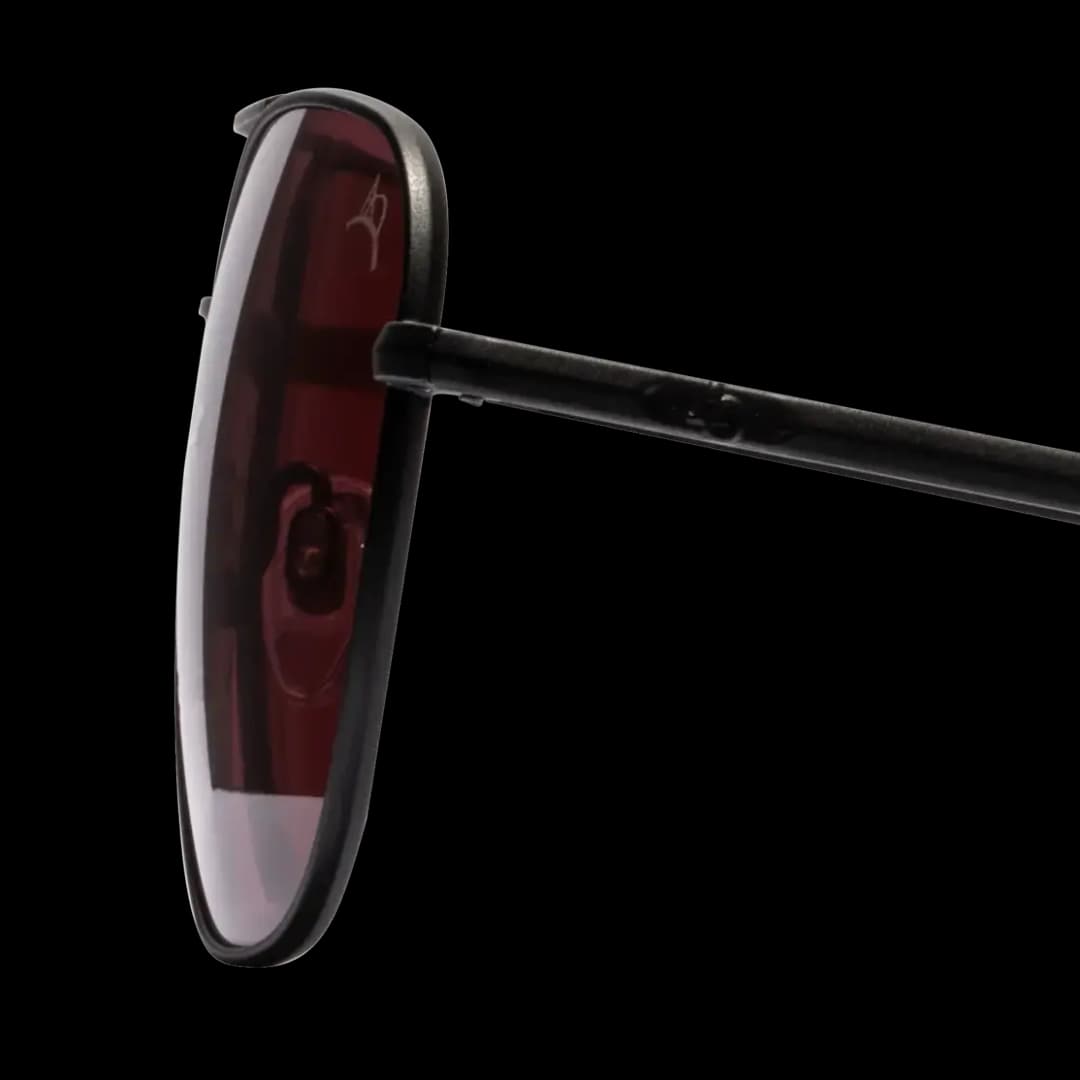

Matte armor black velvet plating evokes the darkened skies of an eclipse.
Original Pilot Blood Moon
Free US Shipping & Returns
AO’s connection to the moon goes beyond Apollo 11. We were there when the dream of space travel became a reality and we were there when man’s first steps on the moon were taken. We celebrate the moon in all of its phases, including those rare moments when our own planet overshadows it, reflecting our light to turn the moon a deep red.
Throughout history, a blood moon signifies a time to reflect on your own journey, to let go of what’s holding you back and explore your wildest dreams. No special equipment is required to view a blood moon, just gaze up at the night sky.
- Free U.S. shipping and 30-day returns: All orders ship free within the U.S., and customers can return or exchange items at no cost within 30 days - making it risk-free to try AO.
- Fast, reliable delivery: Orders ship via UPS within 3-5 business days, with expedited options available for quicker delivery.
- Check our Shipping & Return policies.
With Every Pair

With Every Pair
- Exclusive cleaning cloth
- Certificate of Authenticity
- Custom gifting box and sleeve
- AO branded case
Wear a Piece of History
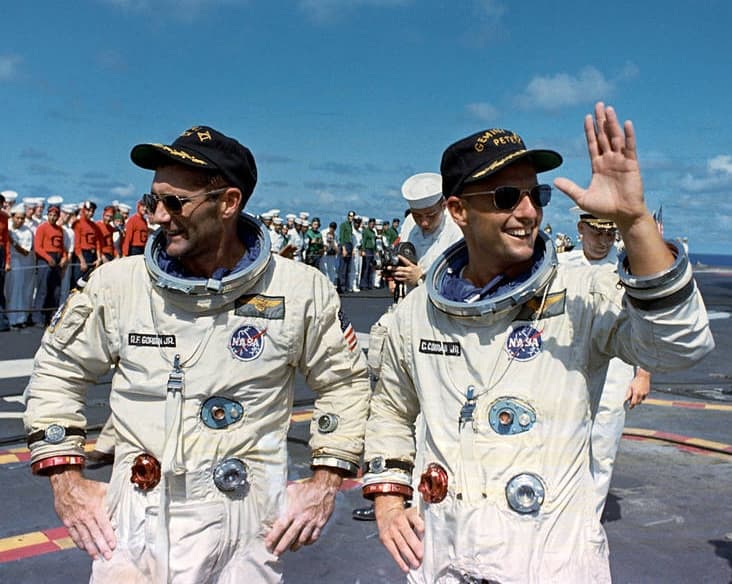
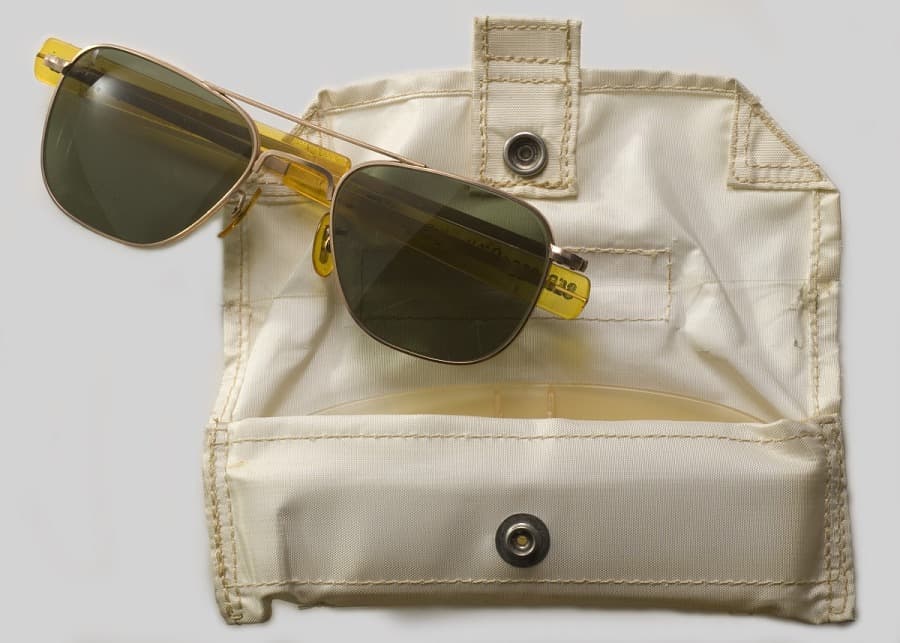
1969The Original Pilot, then called the FG-58, became the first sunglasses on the moon, worn by the entire Apollo 11 crew. Each pair were part of survival kits to provide astronauts protection should they land in tough terrain when returning to Earth. A pair from the moon mission is now on display at the Smithsonian.
“Best Aviators Money Can Buy. My favorite sunglasses of all time, currently on my third pair!”


