


Original Pilot Hunter's Moon
The final limited edition in AO's Moon Series
Limited quantities available.

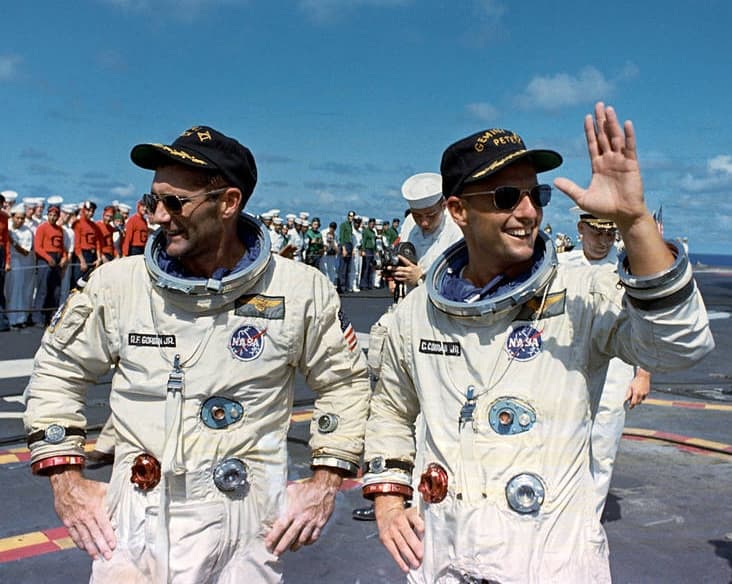
In 1969, man landed on the moon. It took exceptional gear to get there, including the Original Pilot. This limited edition pair honors that history.

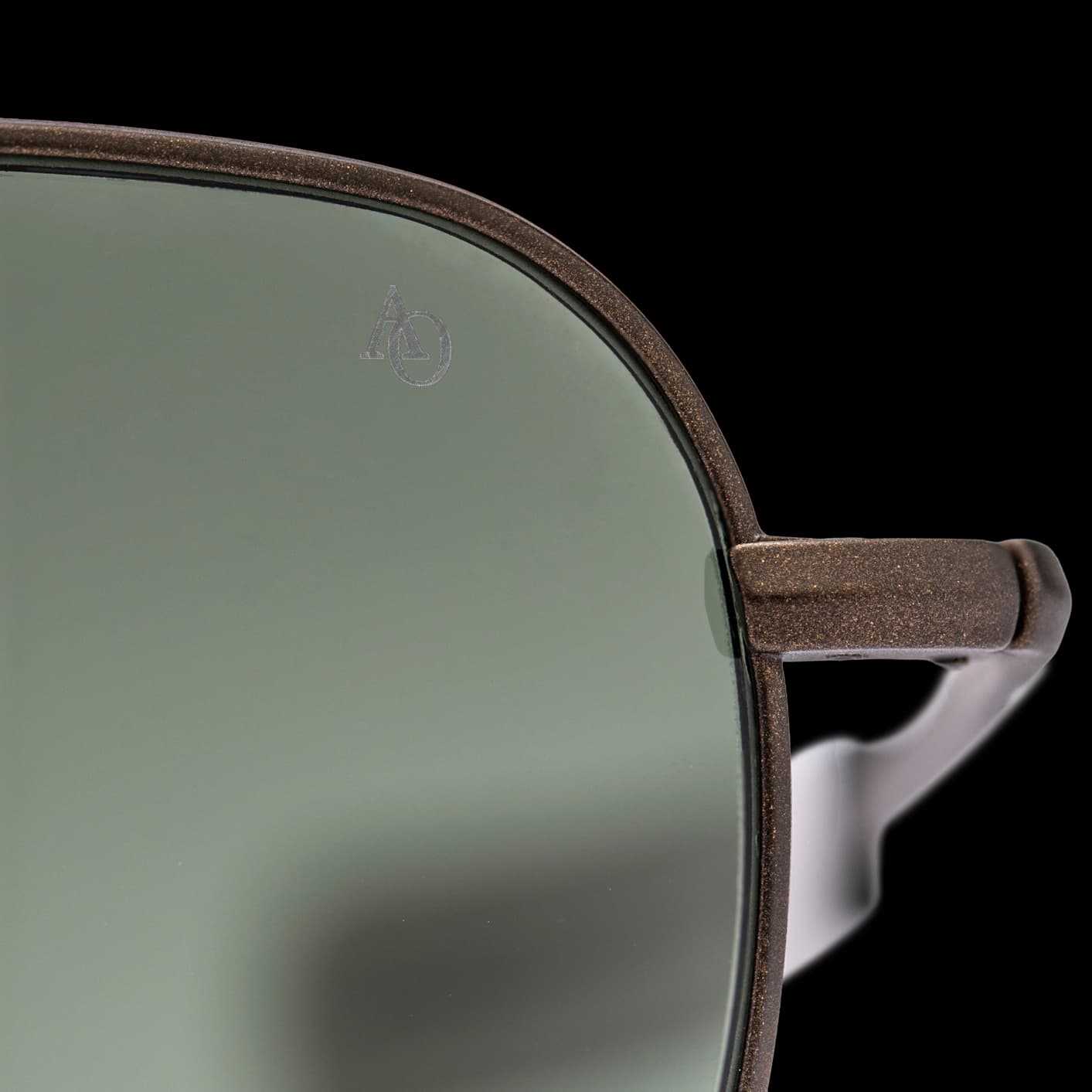
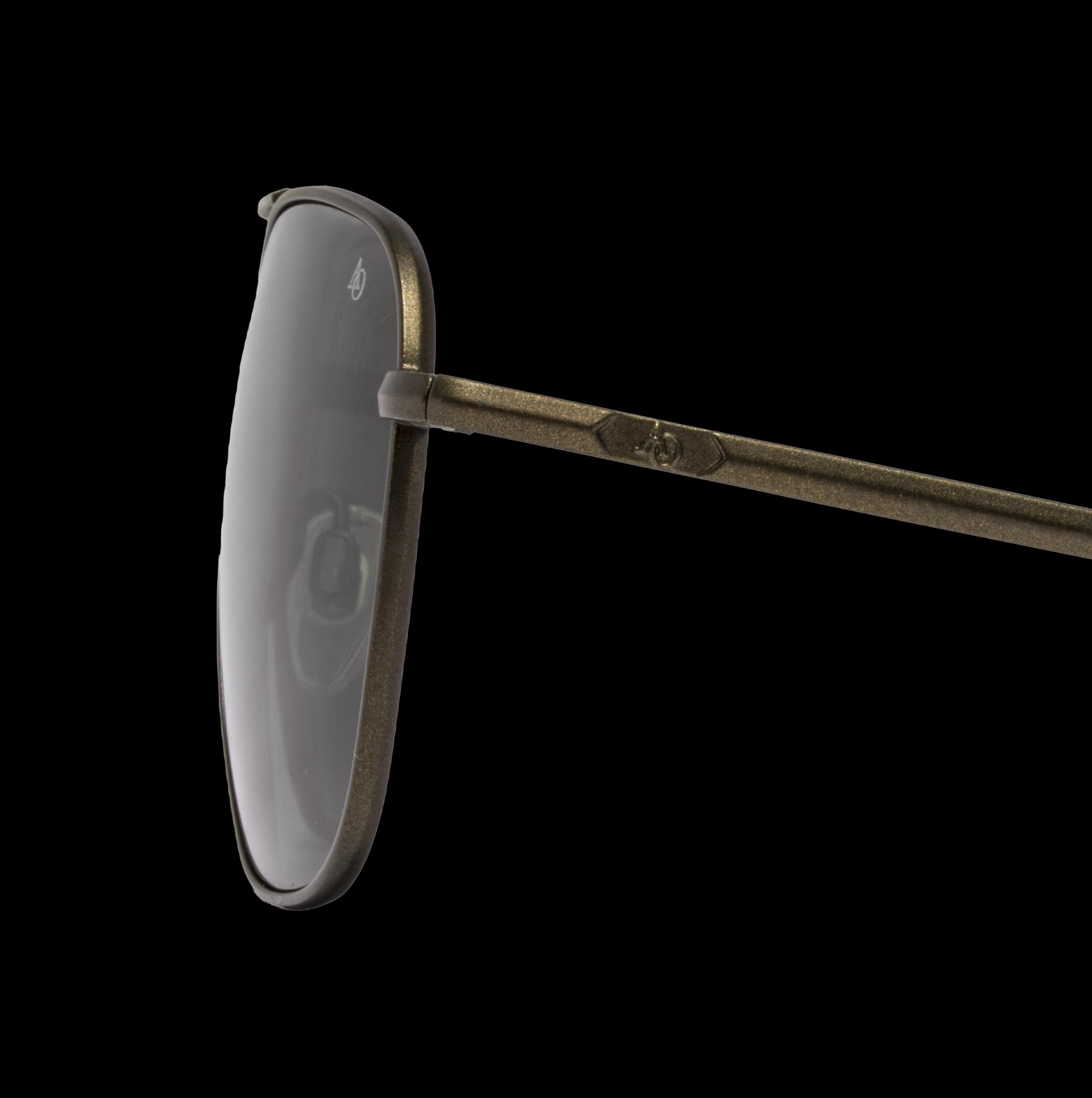

Designed to Break Barriers

Bayonet temples are serialized for authenticity and were designed to eliminate helmet, hat, and headset interference.
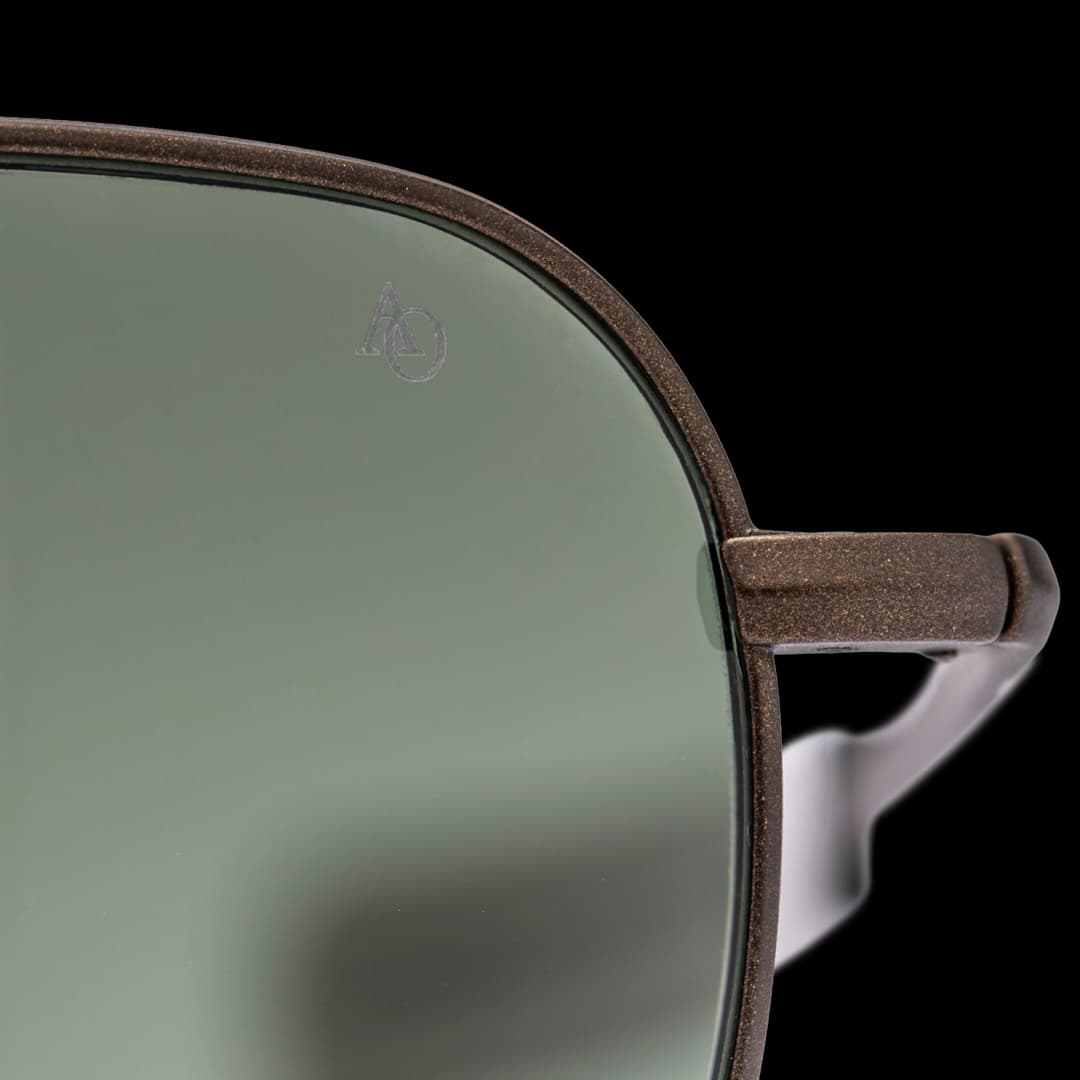
For generations, the moon has marked the seasons and guided what comes next. SkyMaster™ glass lenses in Calobar Green bring exceptional clarity to the view ahead.
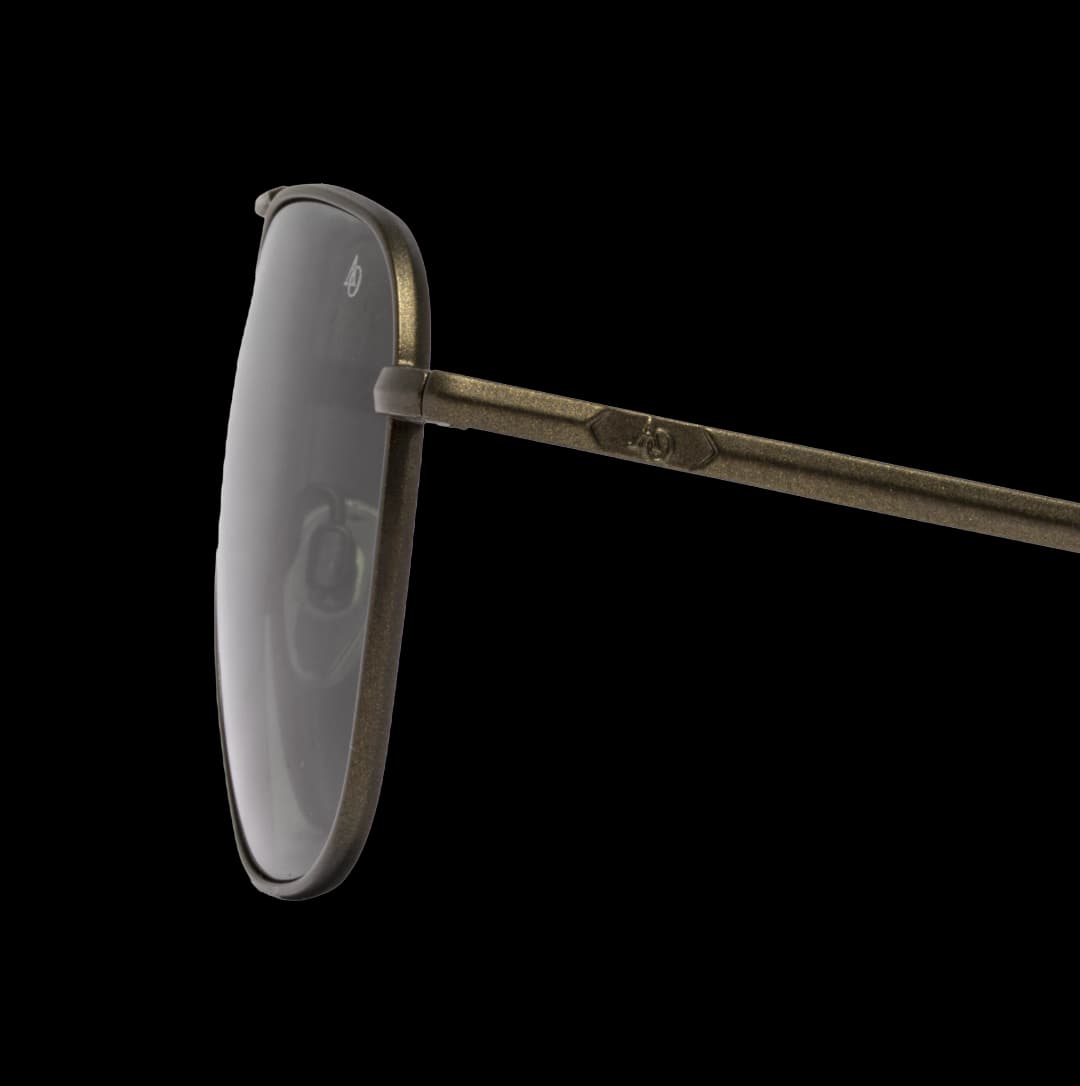

Inspired by fields after the harvest, the Antique Burnt Bronze finish captures the rich, earthy tones of the changing season.
Original Pilot Hunter's Moon
Early Access is Closed
Be the first to know when Hunter's Moon launches, and get access before it's gone.
There’s something special about a Hunter’s Moon. It hangs in the sky longer, it shines brighter. Historically, we’ve used that bright light to hunt in the cleared fields after the harvest and prepare for the darker days of winter. It’s also a time to check in with yourself – take stock, assess your goals, your needs; it’s a time to contemplate your future. To honor where you’ve been and think about where you’re going. Only 700 of this limited-edition OP, with an antique burnt bronze finish and Calobar green glass lenses were made, meticulously handcrafted in the USA. Take advantage of these few precious bright nights to set your intentions for the coming seasons. We’ll be right there with you, ensuring your vision stays true.
- Frame size
- M
- Lens width
- 55mm
- Bridge width
- 20mm
- Temple length
- 140mm
- Frame shape
- Navigator
- Lens material
- AOLite™ Nylon
- Fit
- Unisex
- Made in
- USA, from premium global components
- Free U.S. shipping and 30-day returns: All orders ship free within the U.S., and customers can return or exchange items at no cost within 30 days - making it risk-free to try AO.
- Fast, reliable delivery: Orders ship via UPS within 3-5 business days, with expedited options available for quicker delivery.
- Check our Shipping & Return policies.
With Every Pair

With Every Pair
- Exclusive cleaning cloth
- Certificate of Authenticity
- Custom gifting box and sleeve
- AO branded case
Wear a Piece of History
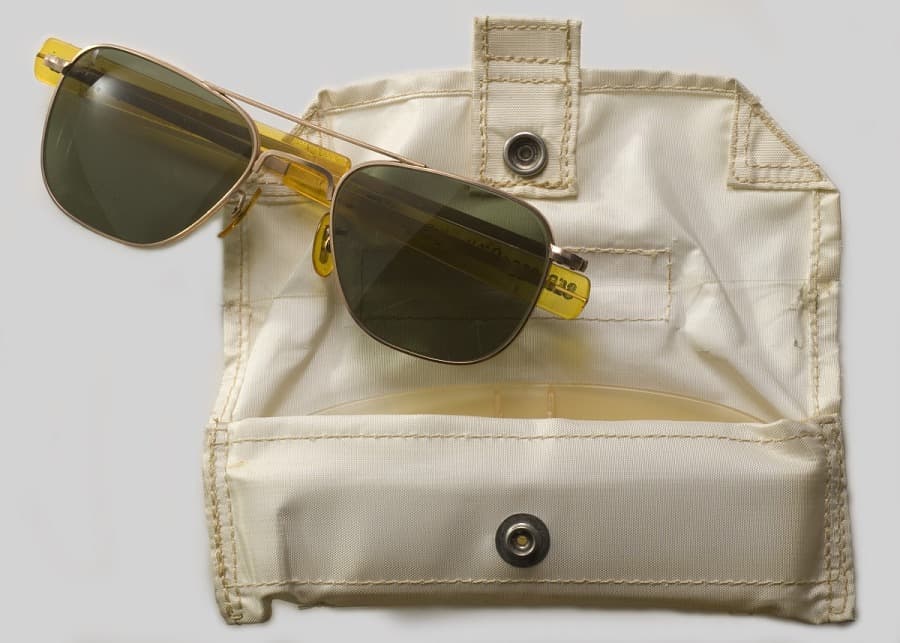
1969The Original Pilot, then called the FG-58, became the first sunglasses on the moon, worn by the entire Apollo 11 crew. Each pair were part of survival kits to provide astronauts protection should they land in tough terrain when returning to Earth. A pair from the moon mission is now on display at the Smithsonian.

“Best Aviators Money Can Buy. My favorite sunglasses of all time, currently on my third pair!”
